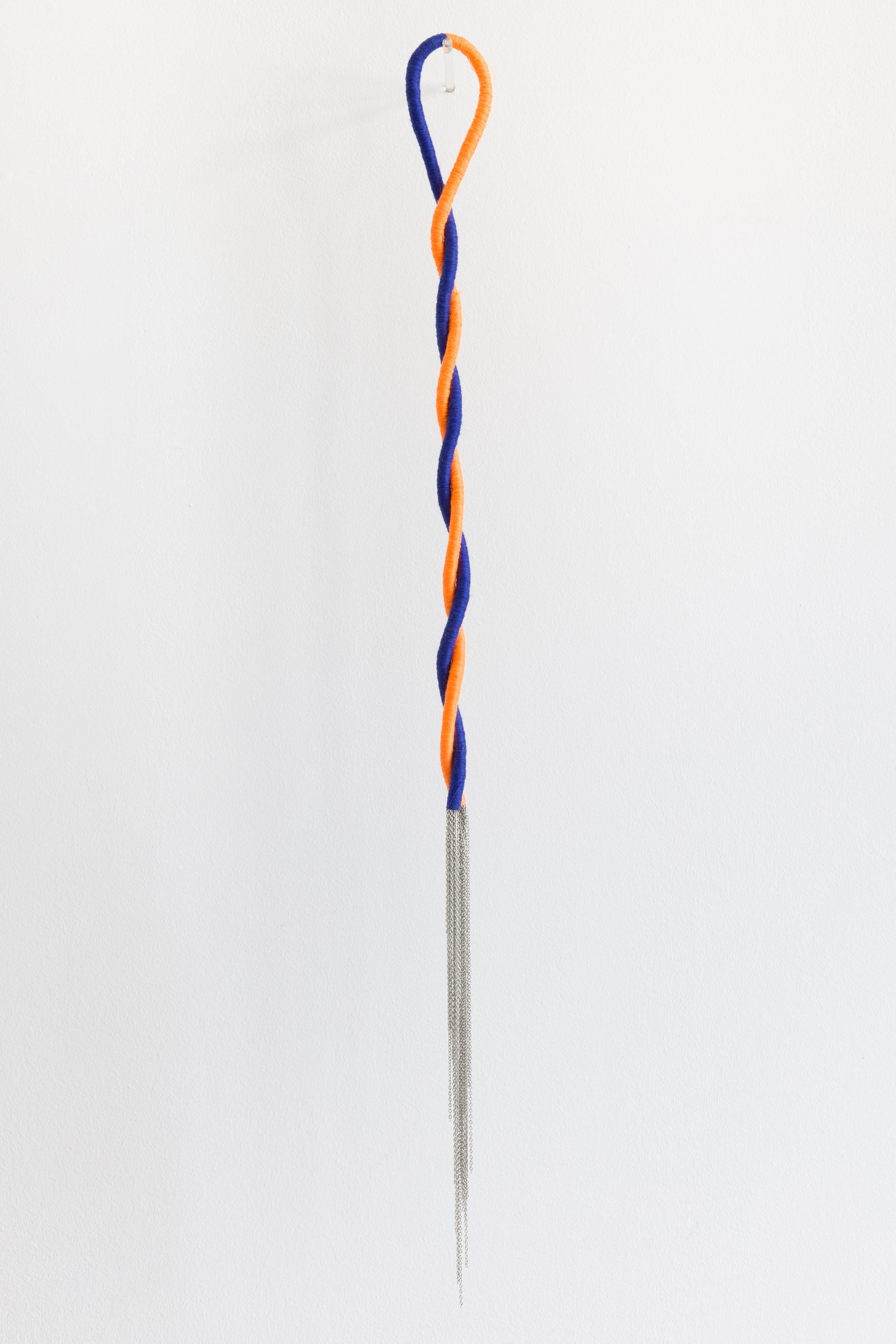
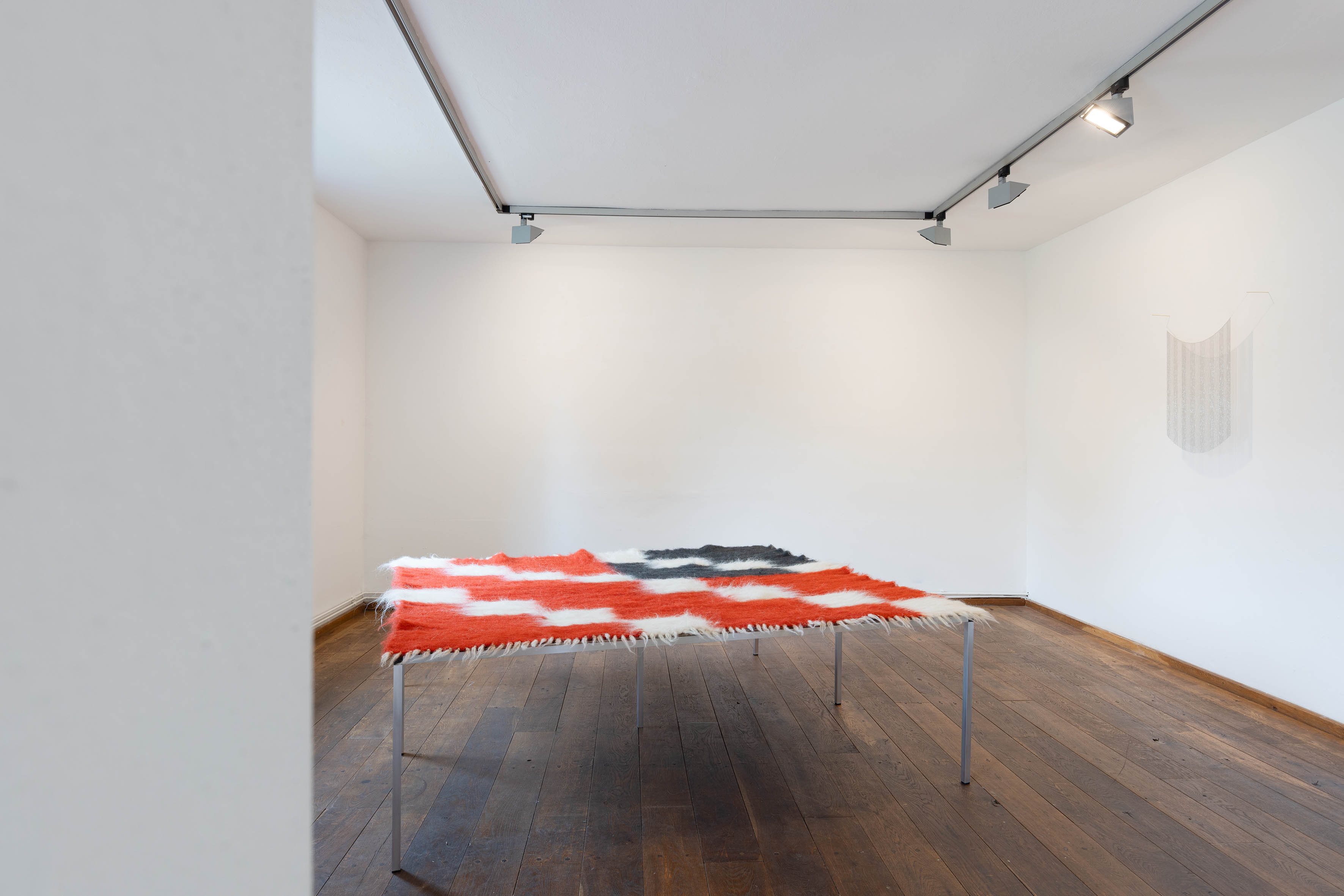
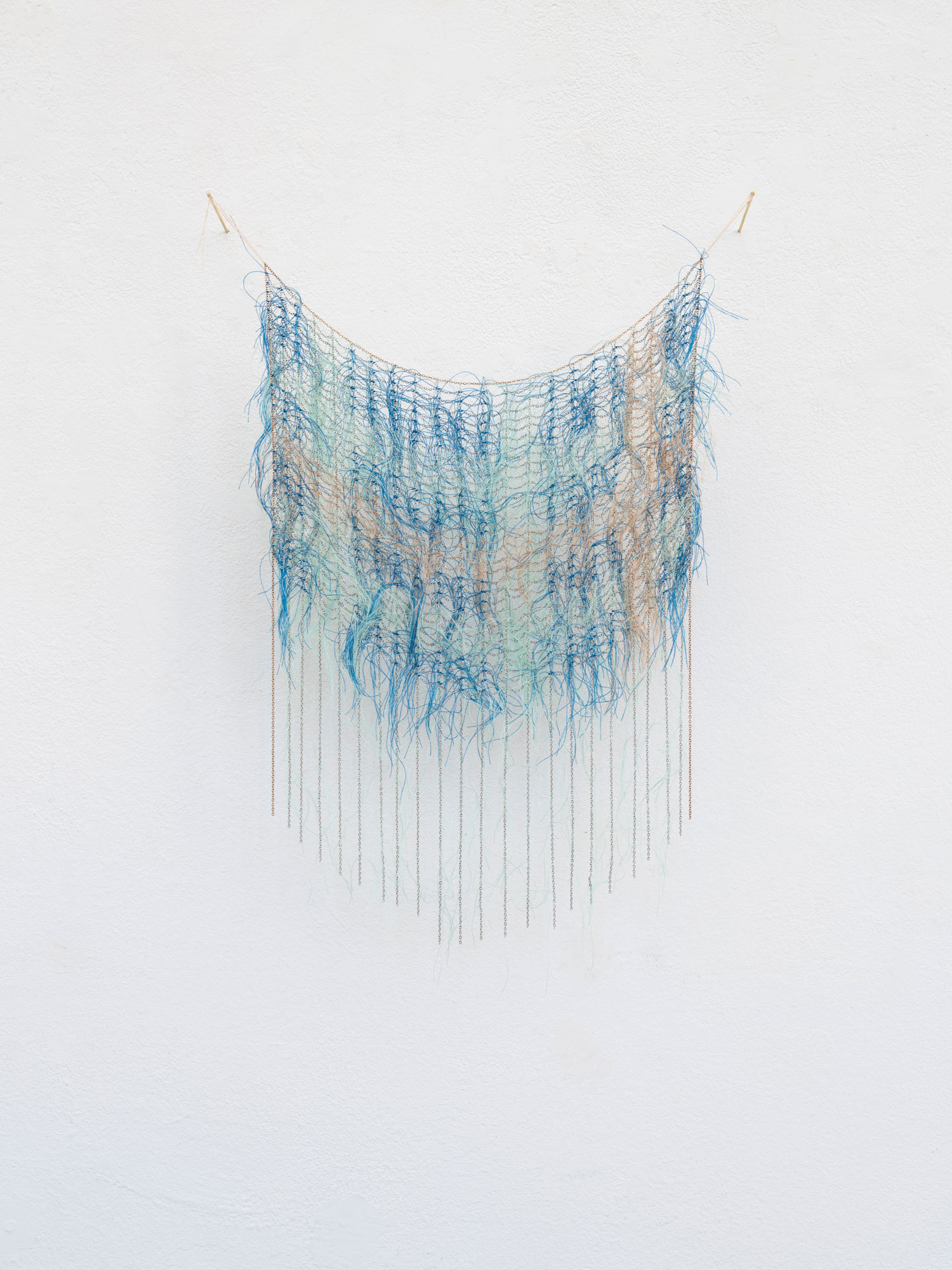
Large-format carpets Bindings (Panama) and Bindings (warp twill) were commissioned by the artist from weavers in Ukraine, who felt the sheep wool traditionally in the river bed. These works also maintain distance from the space and bring their own structure in the form of pedestals. It seems as if they did not want to dress the space but preserve their autonomy. Their pattern is based on the weave diagrams for the fabrics mentioned in the title – that is, on the graphical representations of the paths of the warp and weft threads during the weaving process. A coloured square represents the point where the threads cross, with the colour of the square indicating whether the weft thread (white) or the warp thread (black/red) is on top. The artist has greatly enlarged the schematic representation of the thread pattern: one carpet represents one square centimetre of the original pattern. The onesided felted wool creates a fluffy pile that seems to expand into the surroundings. The soft haptic quality is contrasted by the metallic coolness of the chains in net (floating down the river V). / The text excerpt was written by Nadja Quante / photo© Jens Philipp Franke
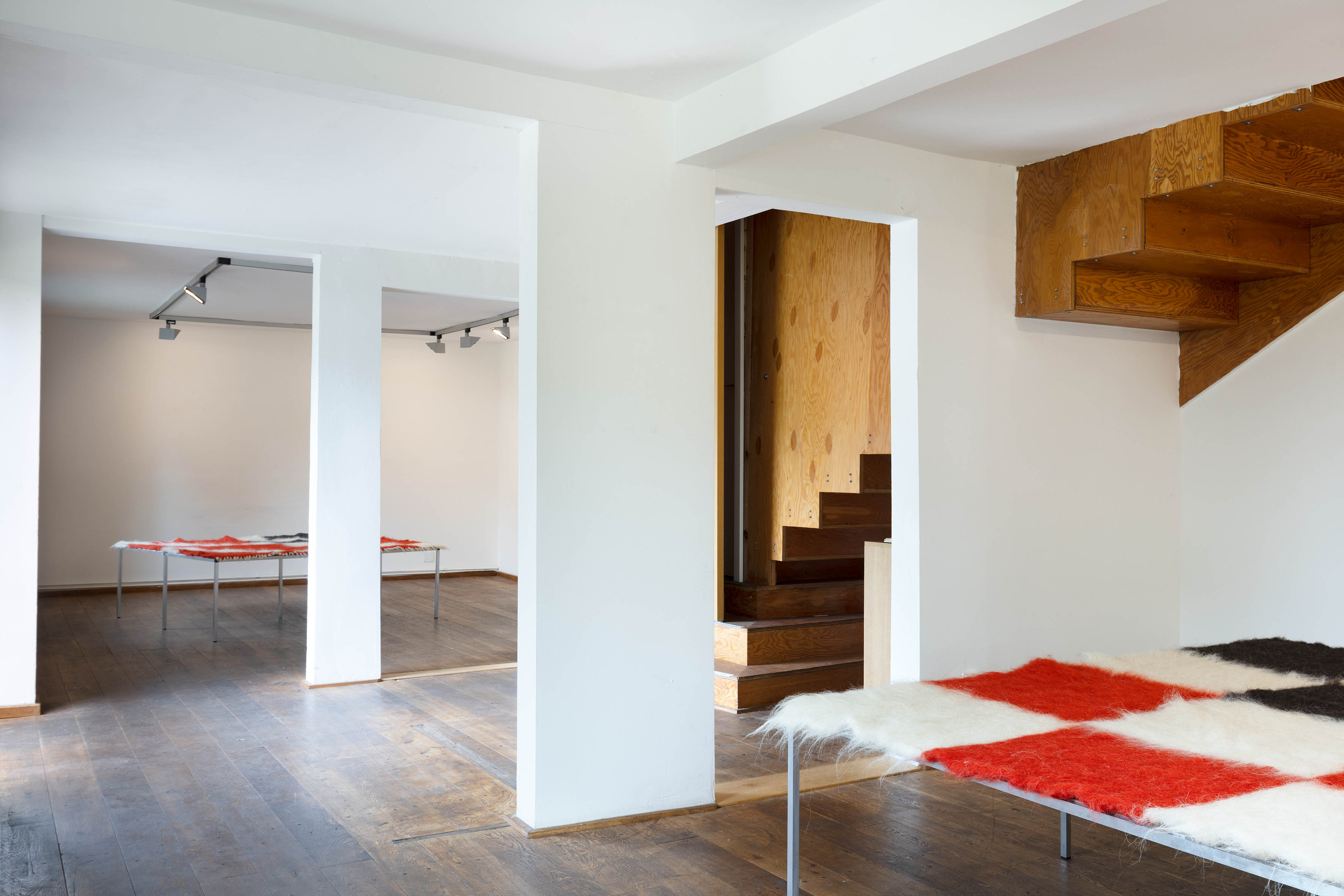
woven sheep’s wool, woven by weavers in Ukraine, felted in a river current, aluminium pedestal, 195 × 195 cm, 2026 / photo© Jens Philipp Franke
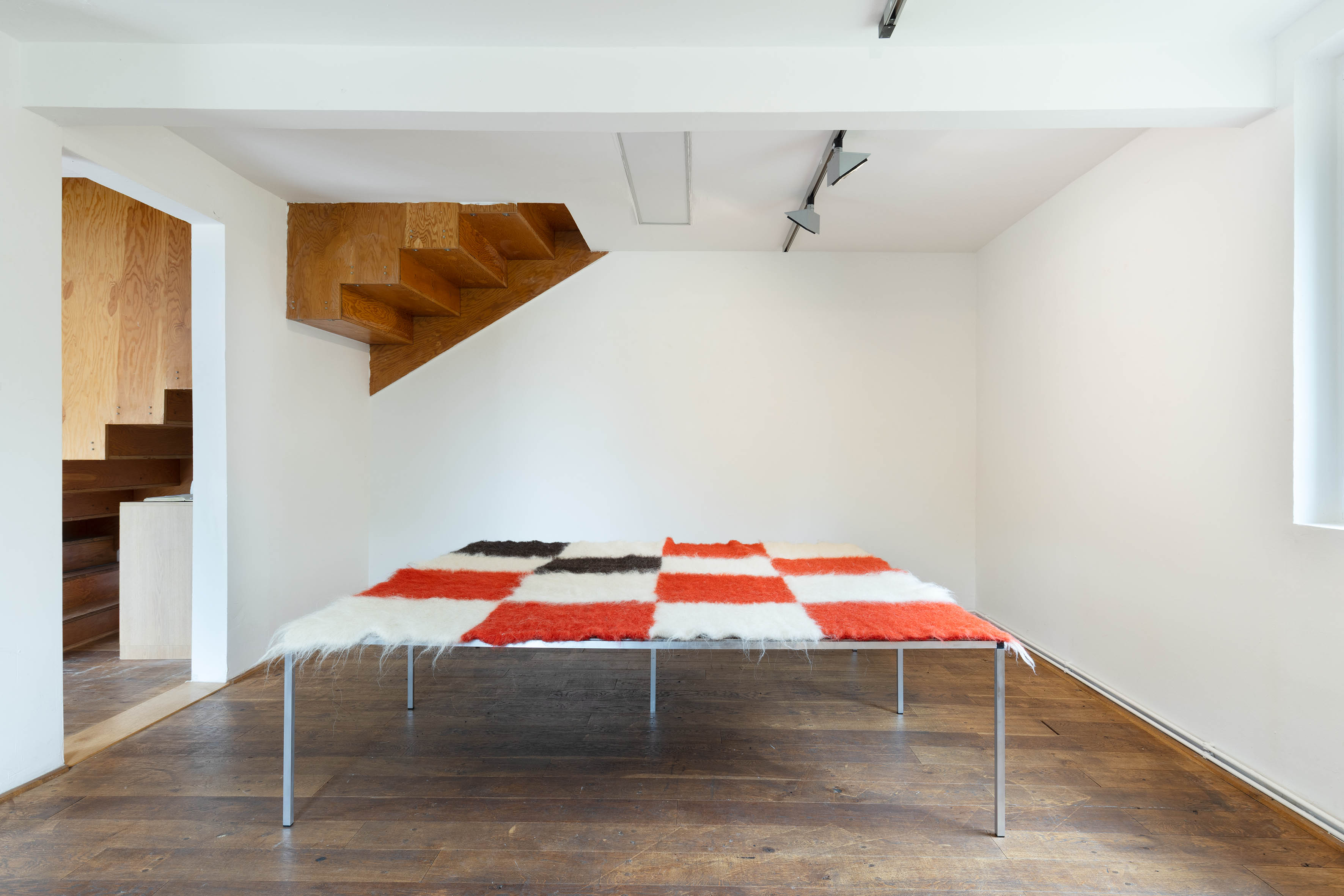
woven sheep’s wool, woven by weavers in Ukraine, felted in a river current, aluminium pedestal, 160 × 170 cm, 2026 / photo© Jens Philipp Franke
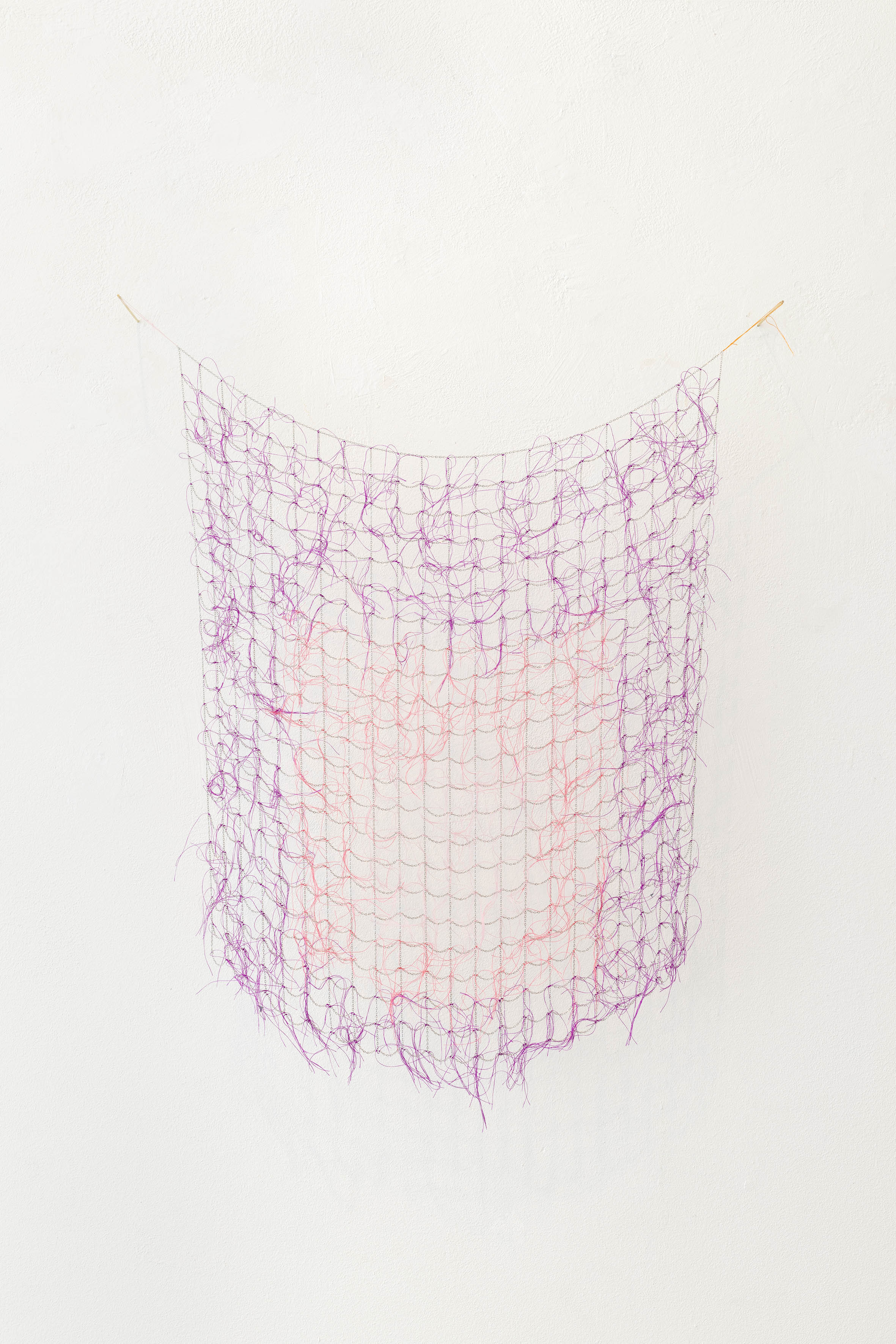
(rose, dark purple, pink), nylon thread ca. 55 x 55 x 10 cm, 2026 / photo© Jens Philipp Franke
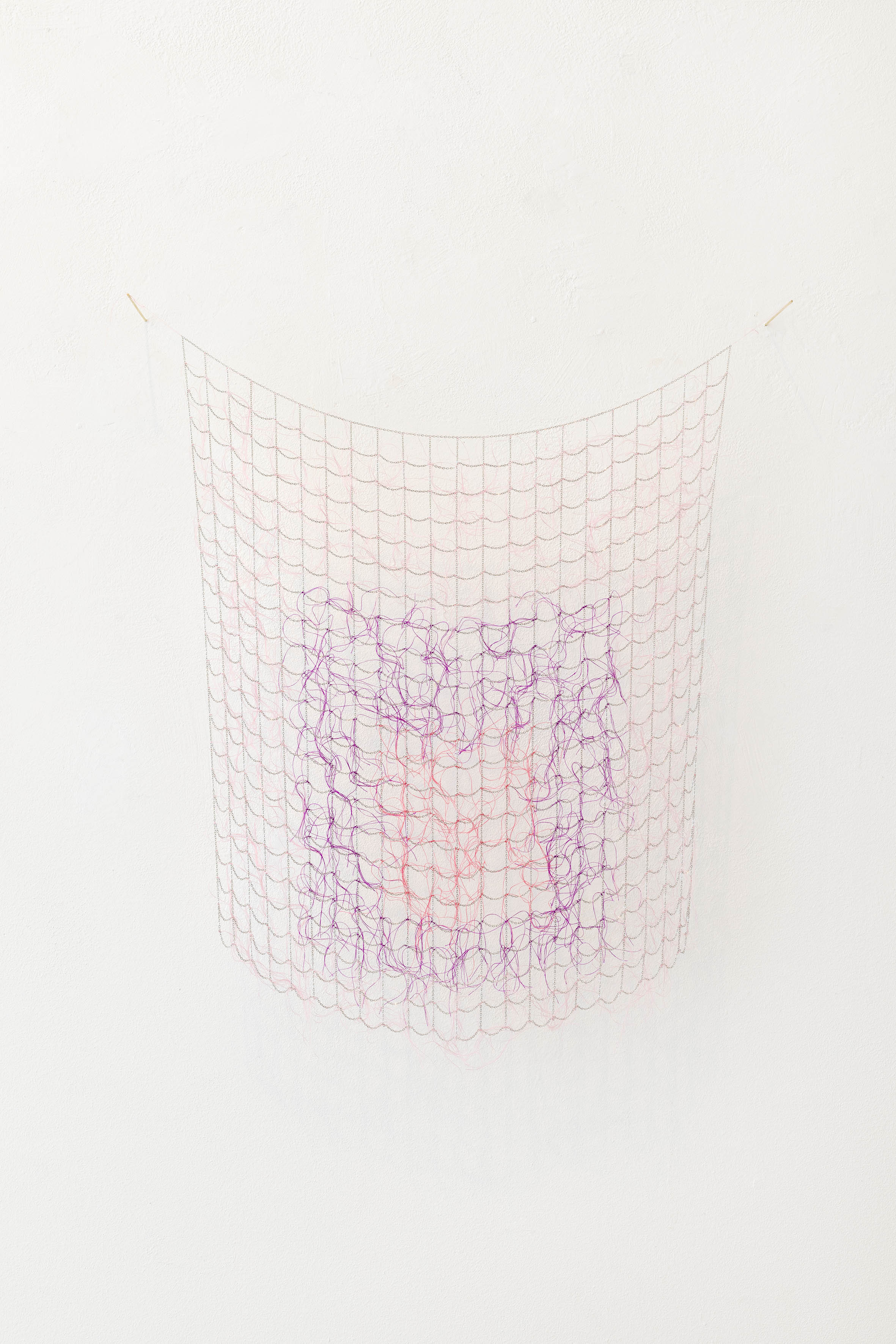
(dark purple, pink, rose), chain, nylon thread ca. 55 x 55 x 10 cm, 2026 / photo© Jens Philipp Franke
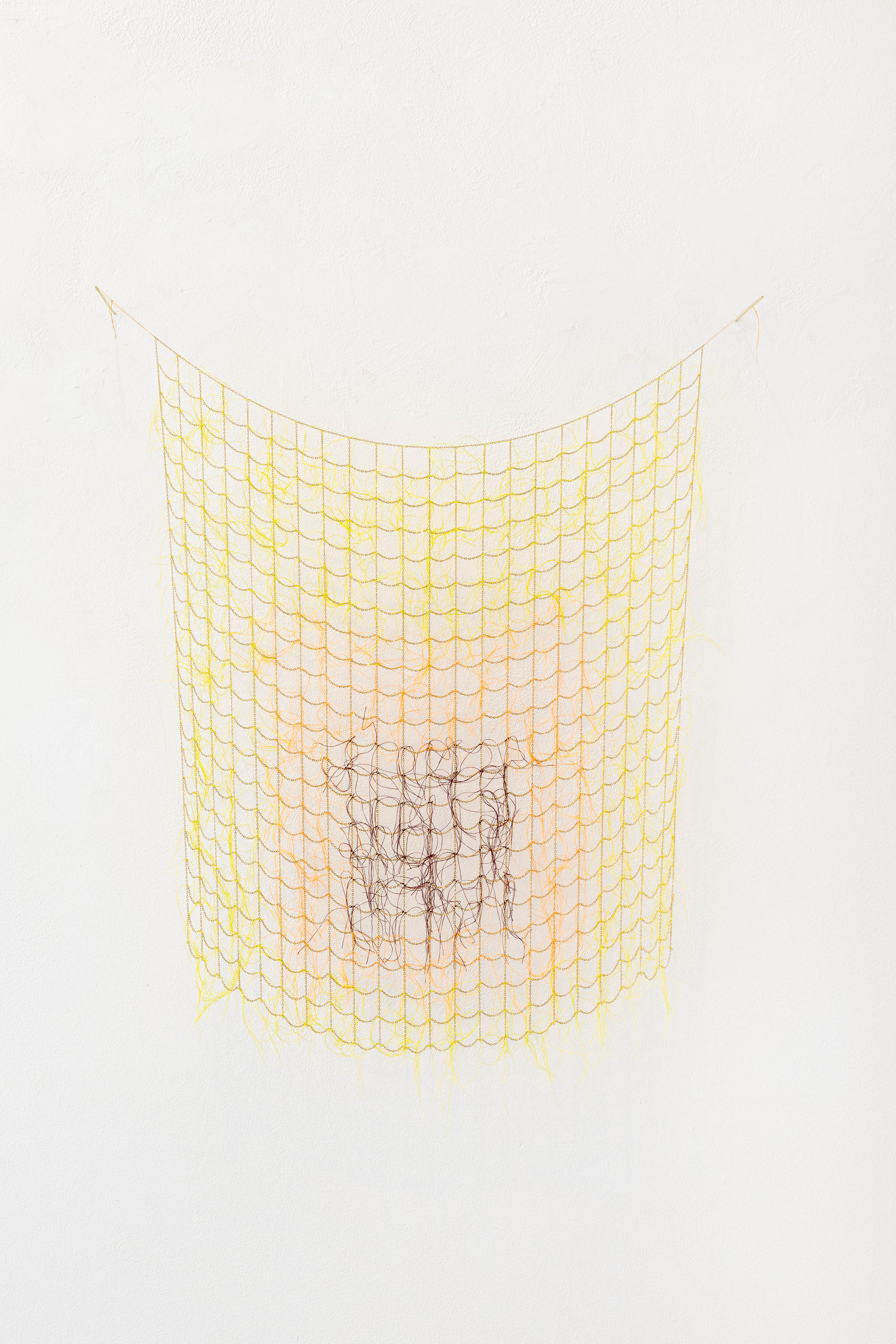
(yellow, neon orange, dark purple), chain, nylon thread ca. 55 x 55 x 10 cm, 2026 / The dissolution of color and form is also found in the work net thread soft square (yellow, neon orange, dark purple). The work explicitly references Josef Albers‘ series Homage to the Square (1950–1976). In this series of paintings depicting over 1.000 variants of nested squares, the artist and art theorist closely associated with the Bauhaus experimented to explore the interaction of color, light, and perception. This also led to his theory on the relativity of colors, which he published in the book Interaction of Color in 1963. Rath’s network consists of interlocking squares that simultaneously dissolve: The color gets lost amidst the interweaving of threads of neighbouring colors, while the varying tension at the different junctions of the net calls into question the shape of the knotted squares (both large and small). / The text excerpt was written by Nadja Quante / photo© Jens Philipp Franke
ssoftness, Galerie am Klostersee, Lehnin 2026 / photo© Jens Philipp Franke
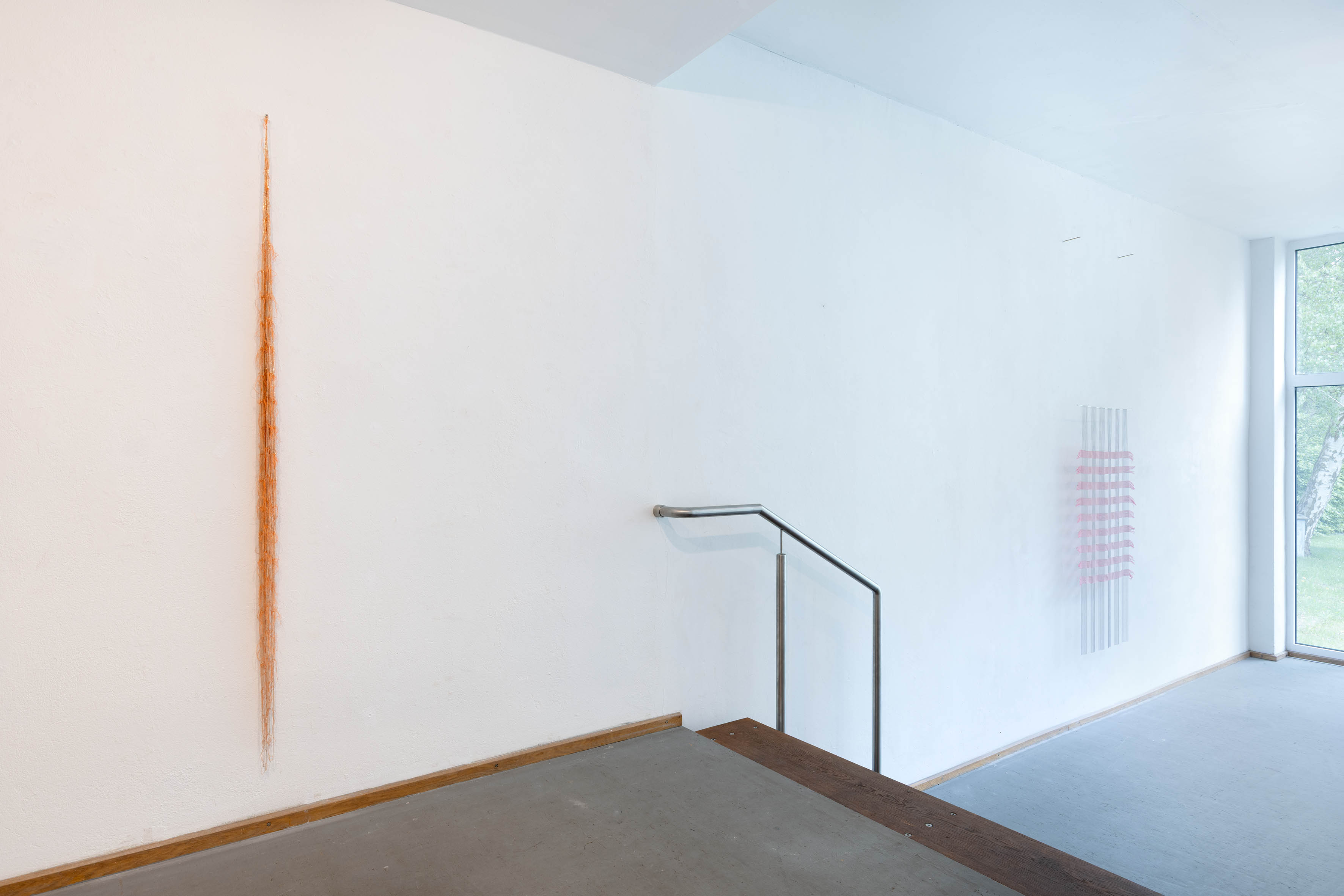
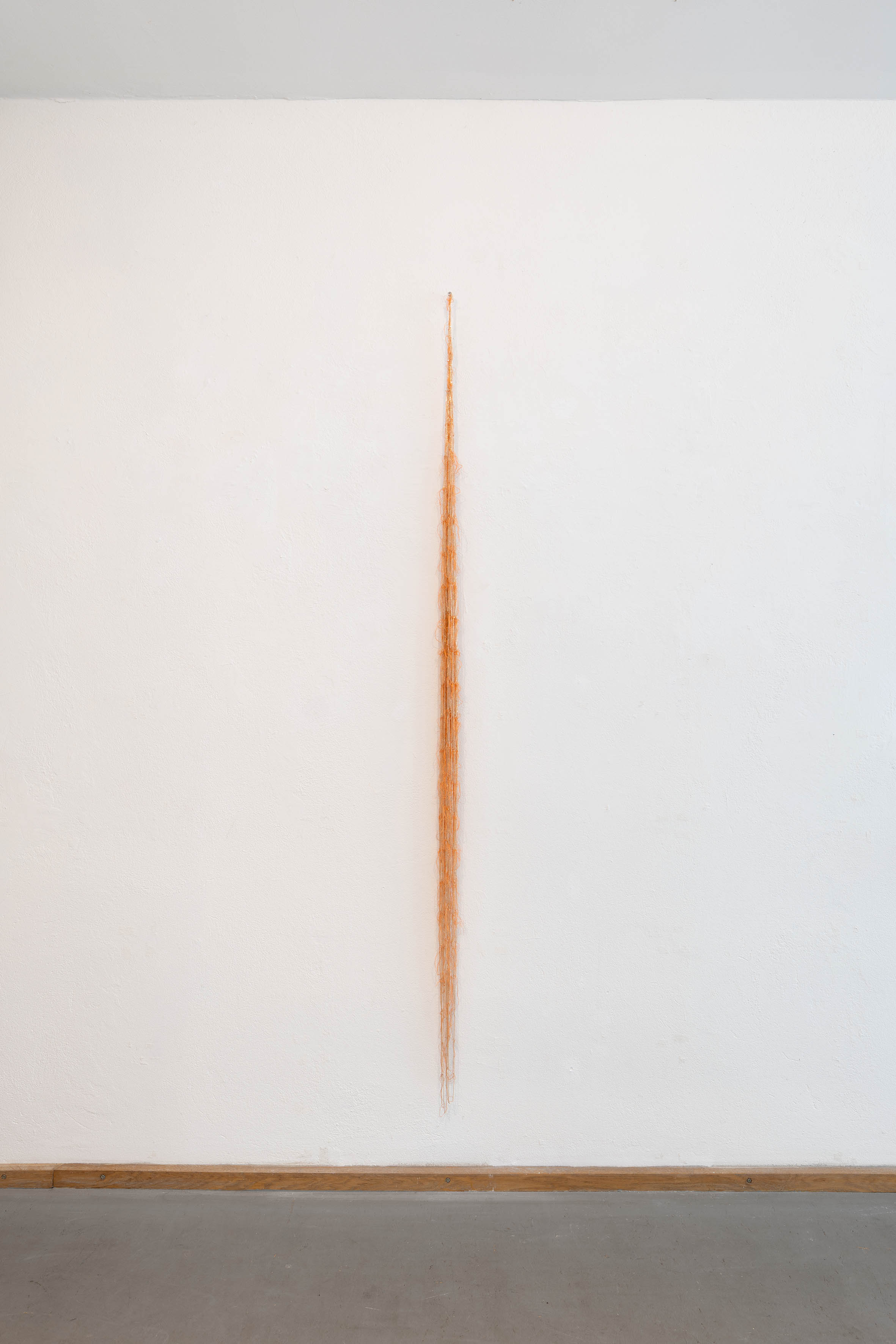
(neon orange), chain, nylon thread, ca. 150 x 10 x 10 cm, 2018 / photo© Jens Philipp Franke
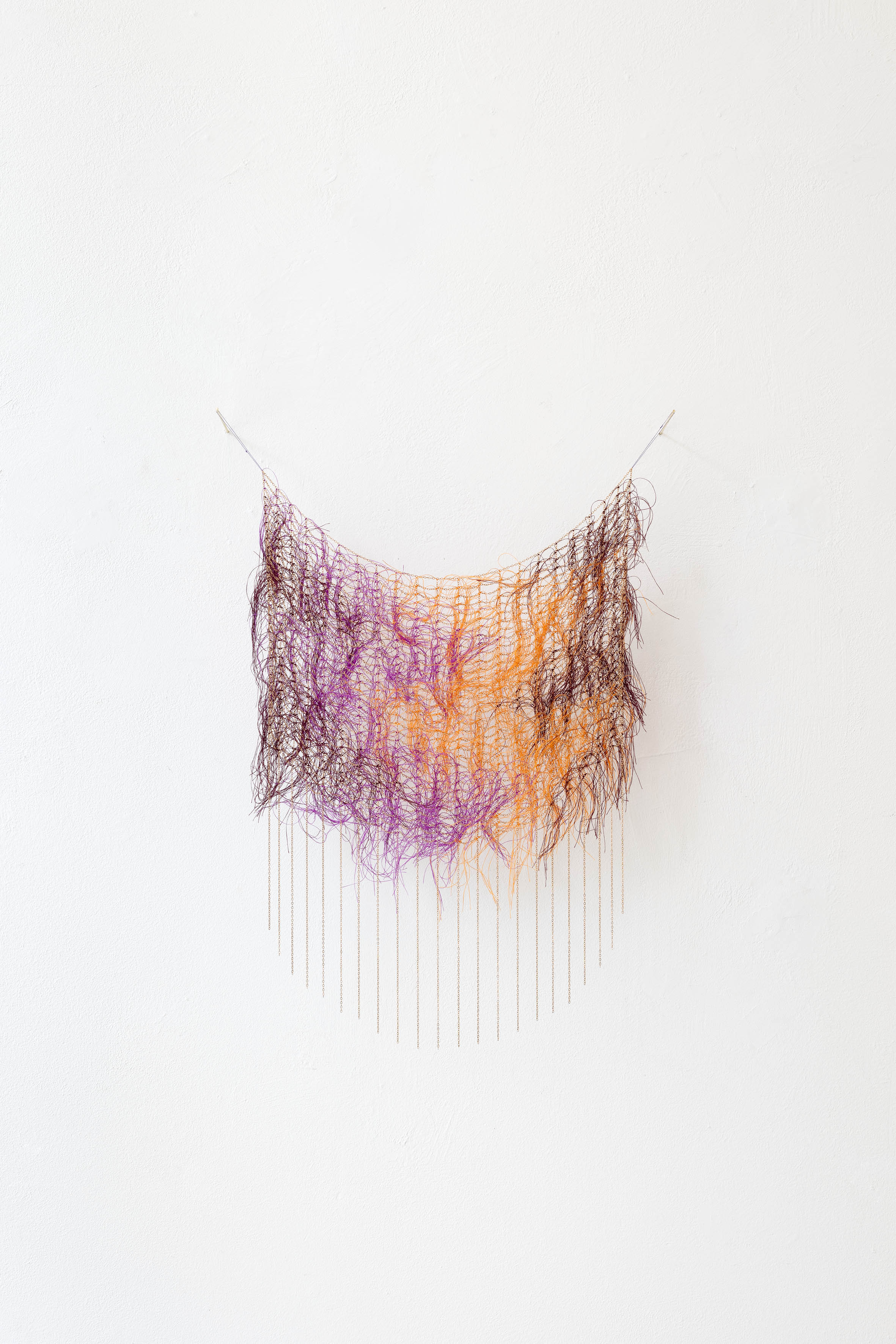
(dark purple, orange, purple), chain, nylon thread 35 x 50 x 10 cm, 2026 / photo© Jens Philipp Franke
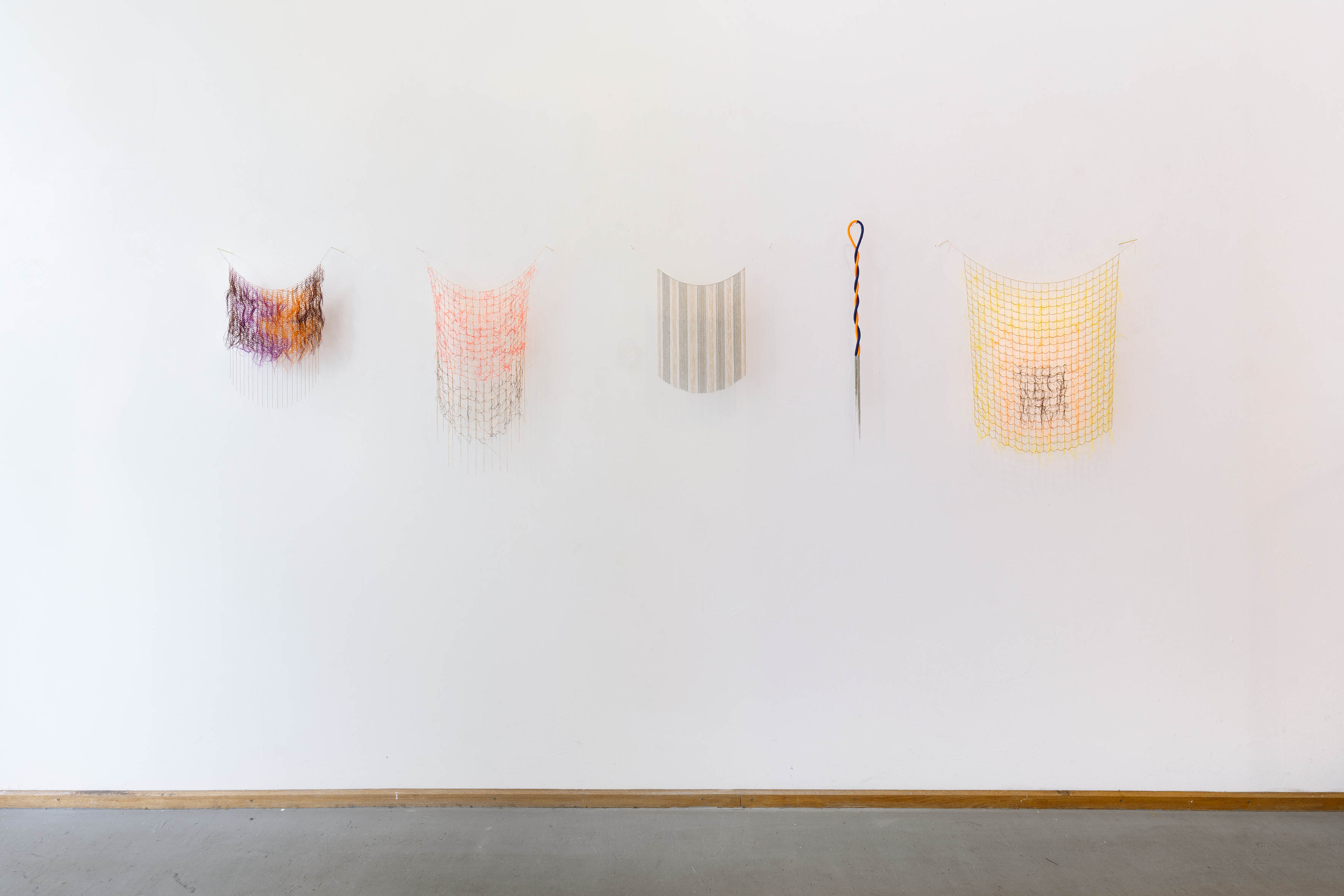
ssoftness, Galerie am Klostersee, Lehnin 2026 / photo© Jens Philipp Franke
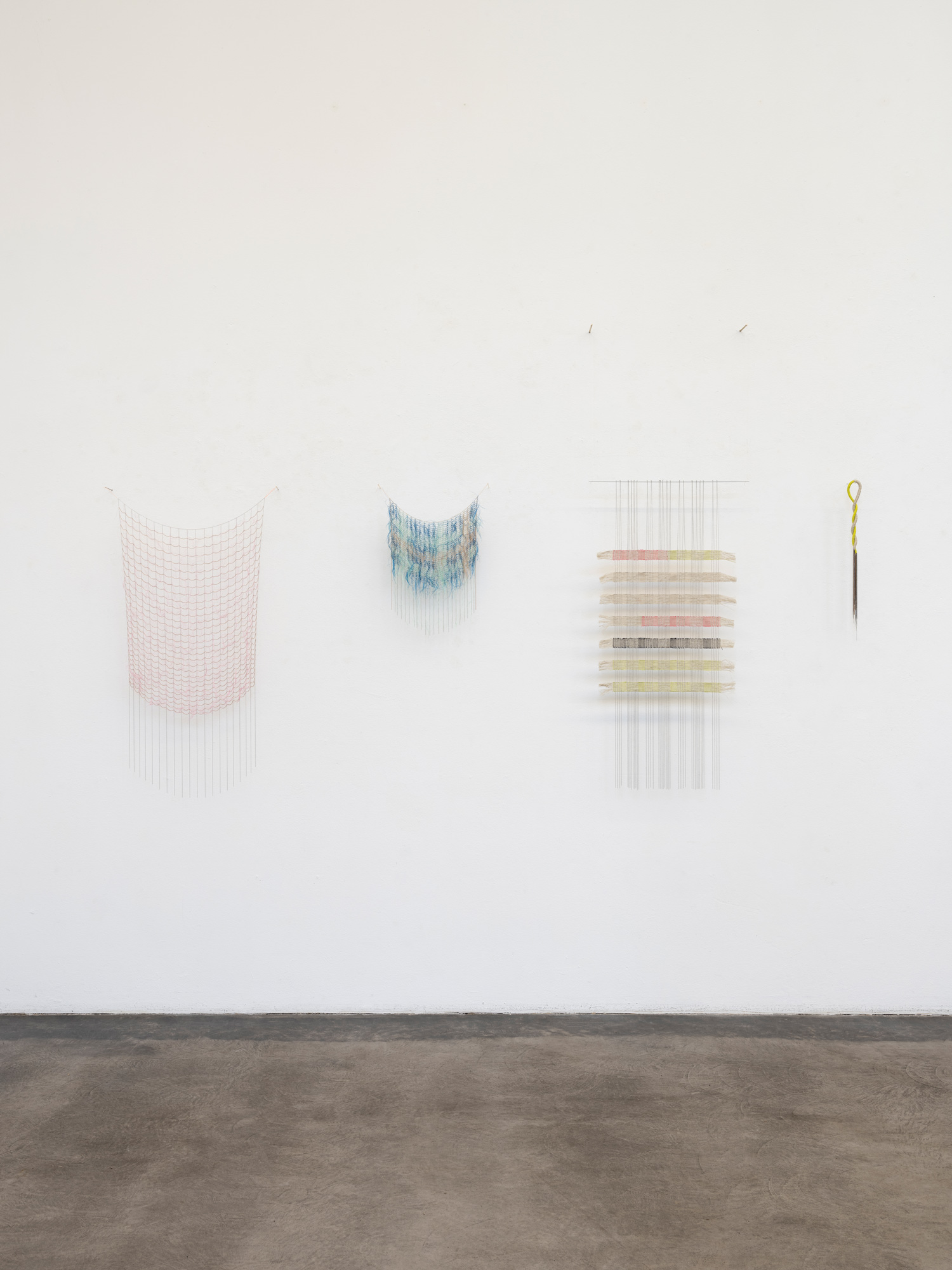
Naused | Rath | Hildebrandt, Galerie Carolyn Heinz, Hamburg, 2026 / photo© Fred Dott
chain, nylon thread
35 x 50 x 10 cm, 2026 / photo© Fred Dott
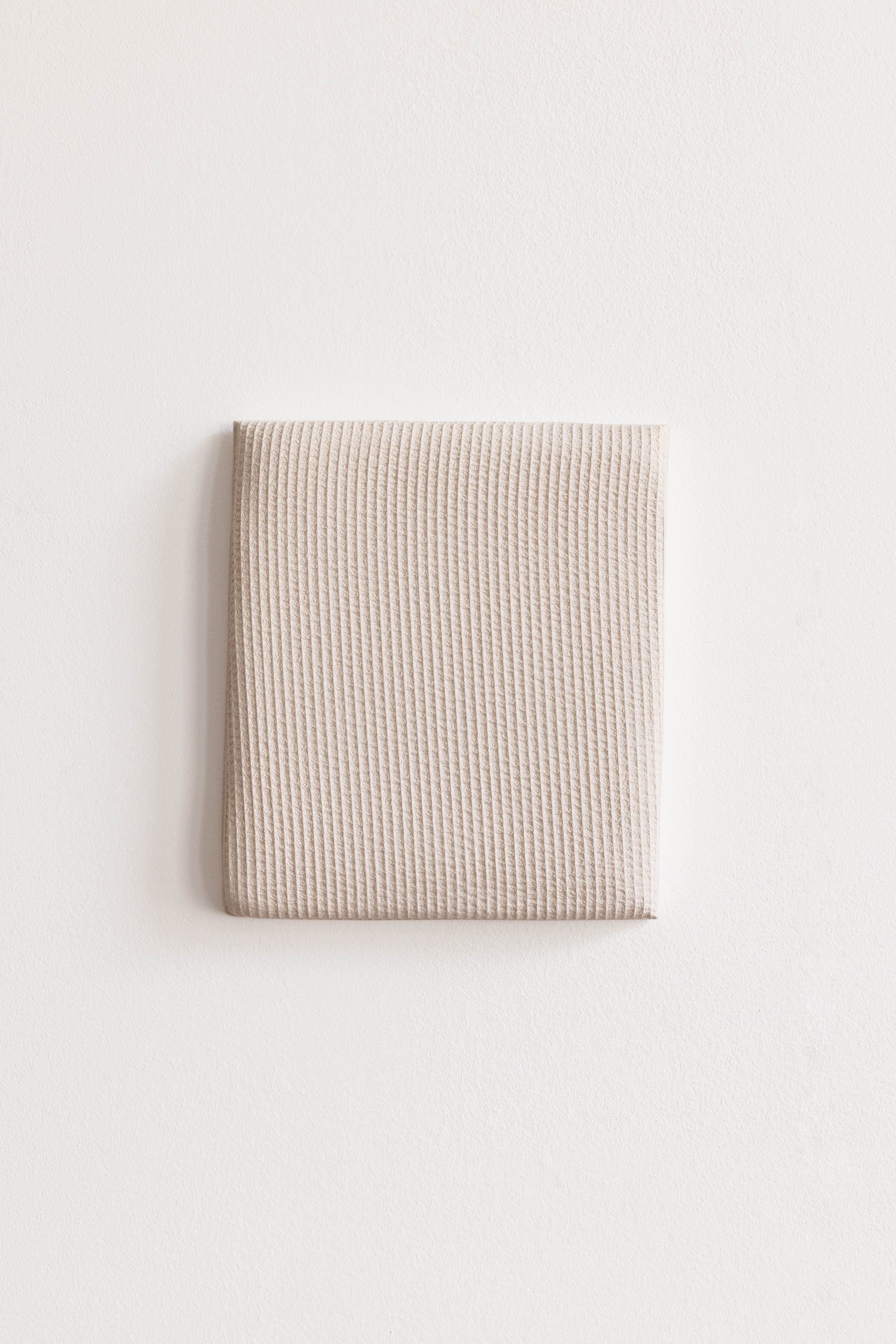
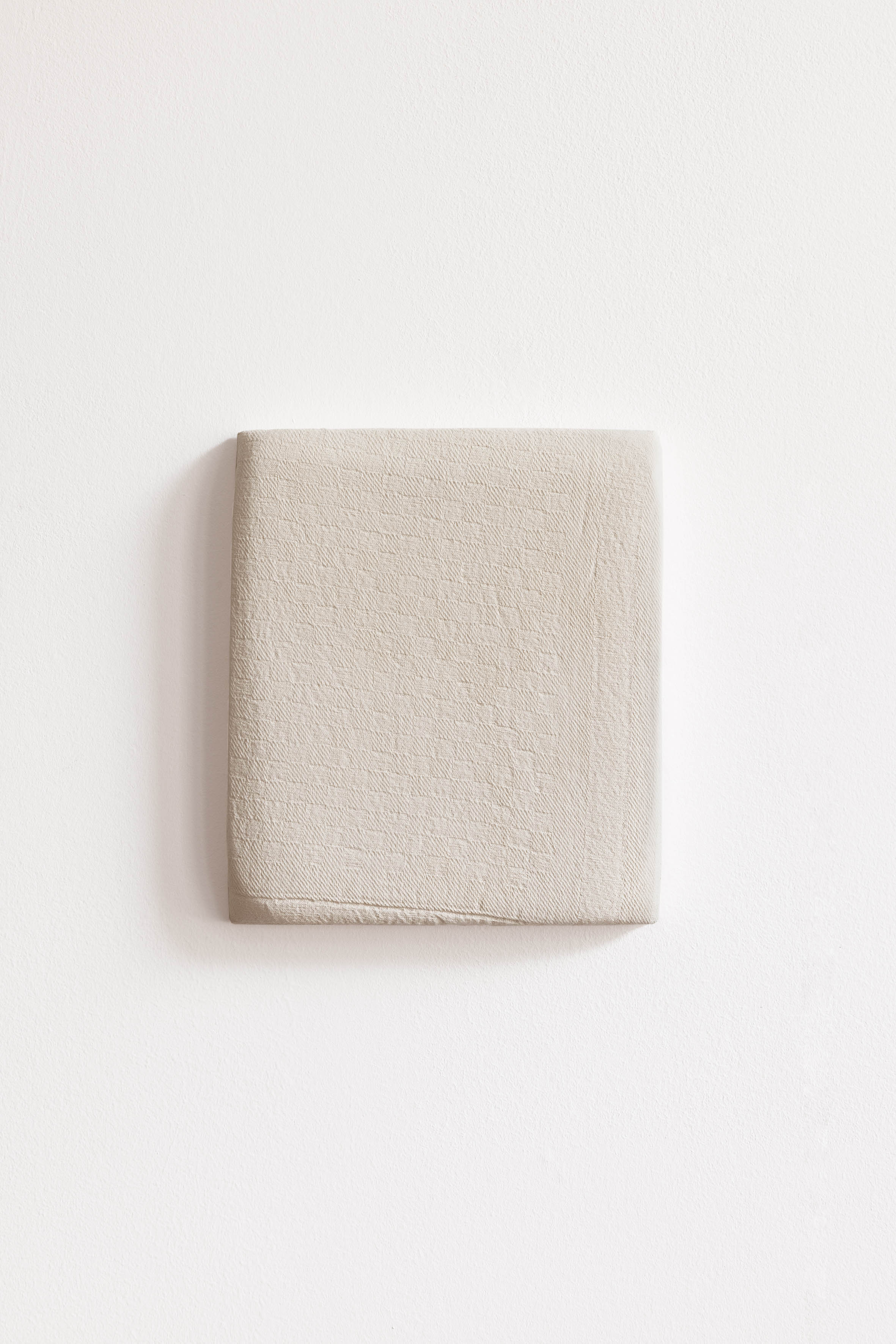
(corduroy), 18 x 21 x 2 cm, Porcellain, 2025 / photo© Jens Philipp Franke
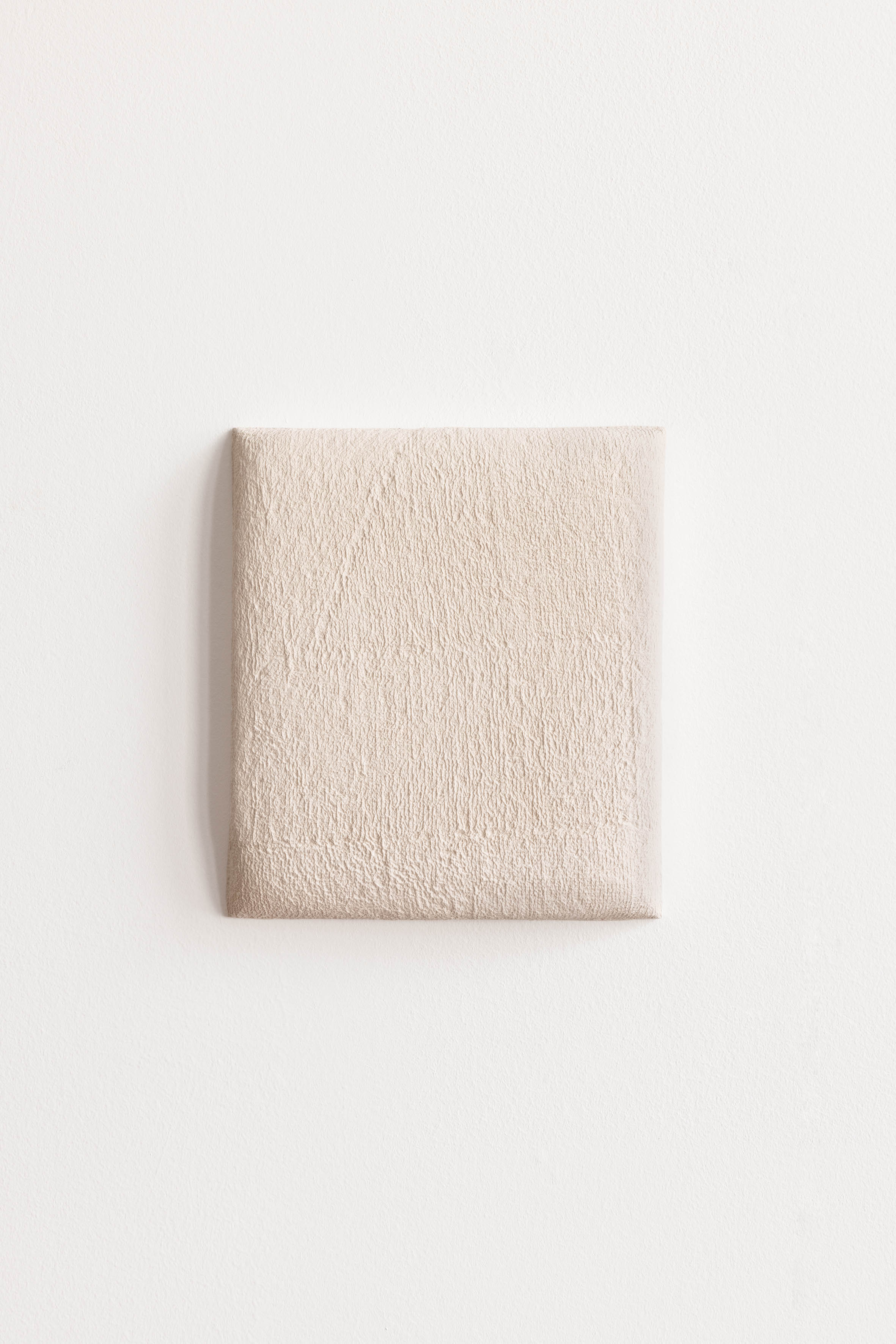
(terry cloth), 18 x 21 x 2 cm, Porcellain, 2025 / photo© Jens Philipp Franke
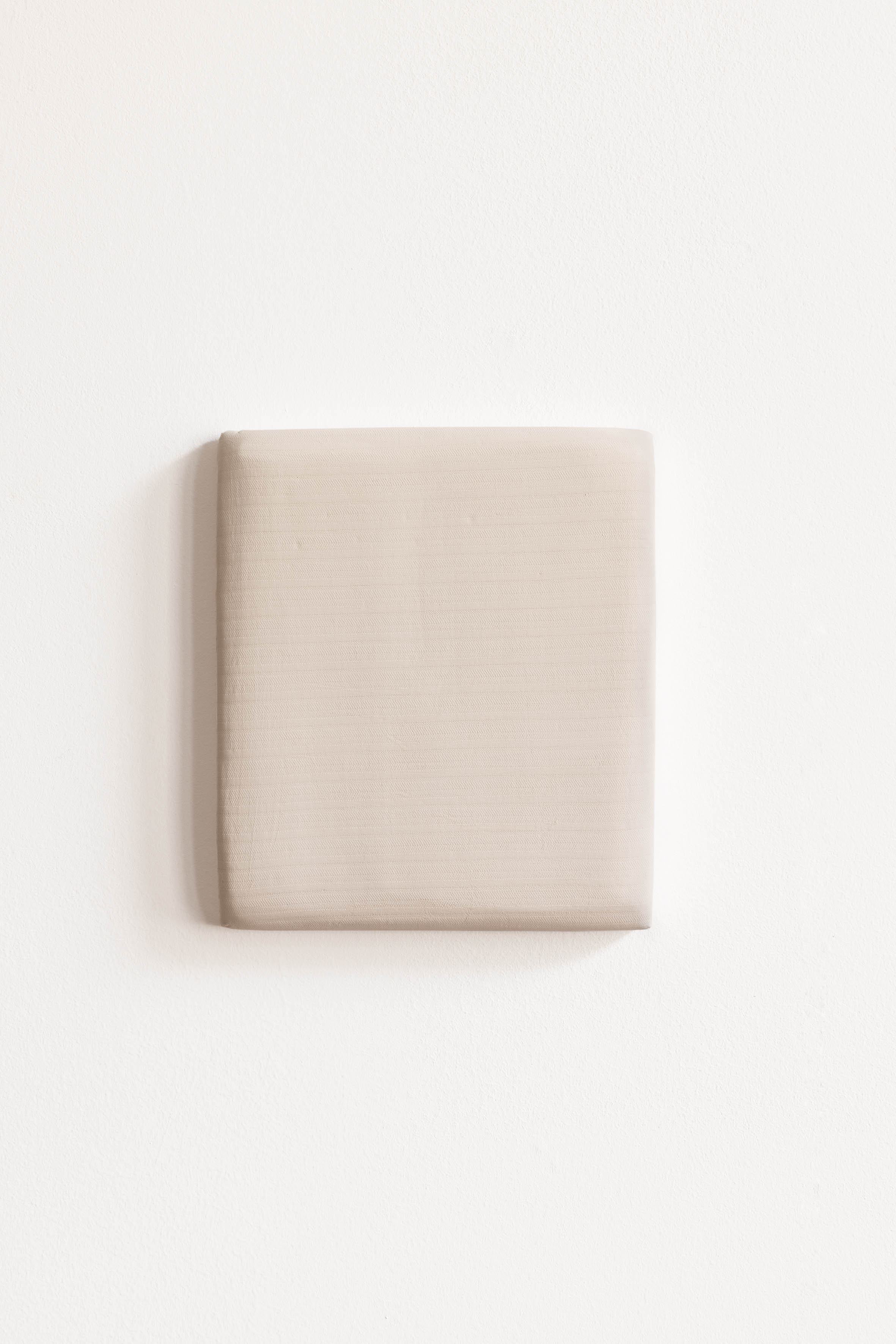
(suit fabric), 18 x 21 x 2 cm, Porcellain, 2025 / photo© Jens Philipp Franke
(tea towel), 18 x 21 x 2 cm, Porcellain, 2025 / photo© Jens Philipp Franke
Textiles, Jacobskapelle Brandenburg an der Havel, 2025 / photo© Tobias Oechsle
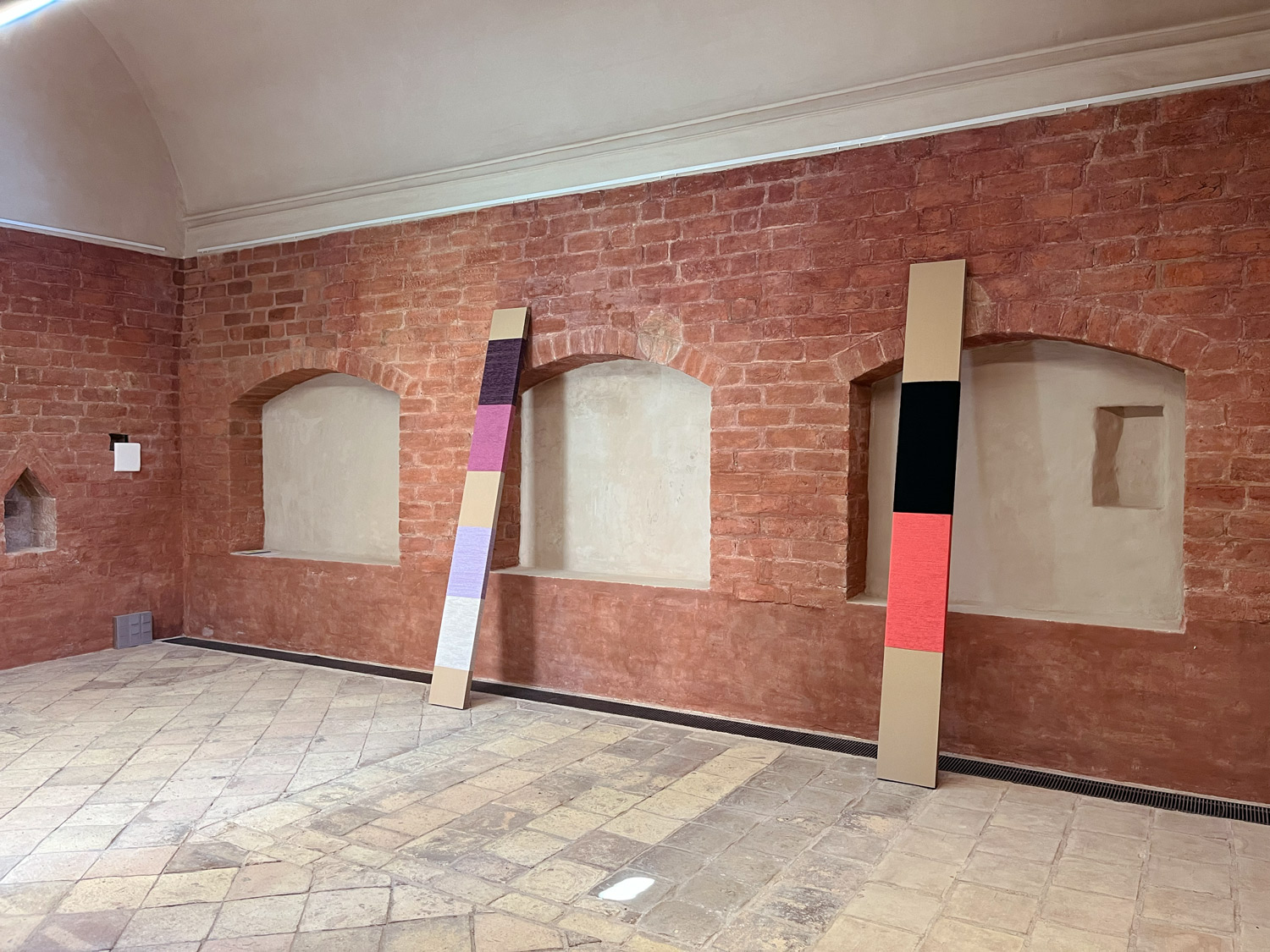
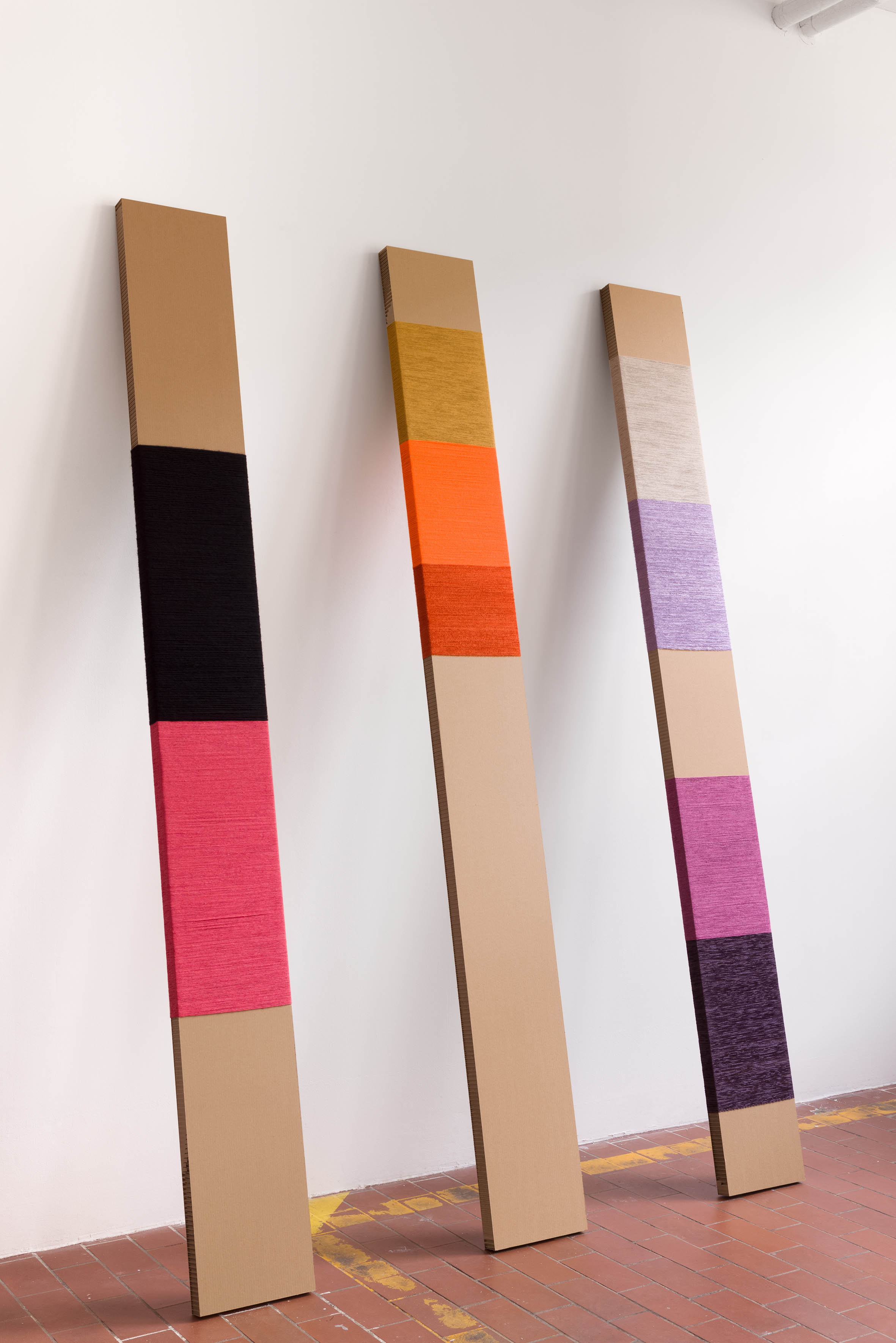
each 230 x 25 x 4 cm, diverse yarn and wool, honeycomb cardboard, 2025 / photo© Jens Philipp Franke
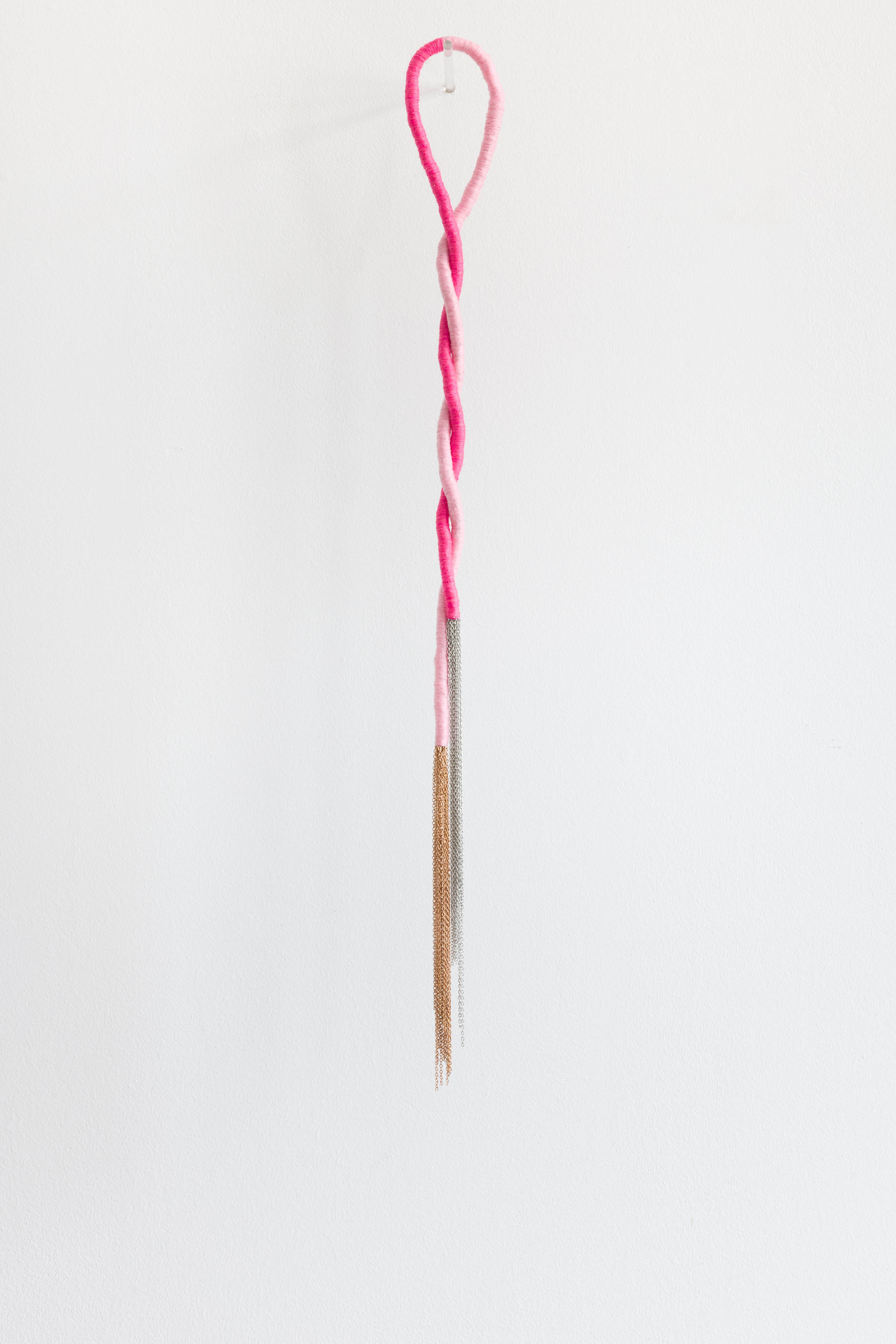
(rose, pink),
chain, nylon thread,
ca. 60 x 5 x 5 cm, 2025 / photo© Jens Philipp Franke
(neon orange, dark blue),
chain, nylon thread,
ca. 70 x 5 x 5 cm, 2025 / photo© Jens Philipp Franke